Valentine Flower: A Handwritten Font That Brings Warmth to Branding Projects
Opening the Project with a Fresh Canvas
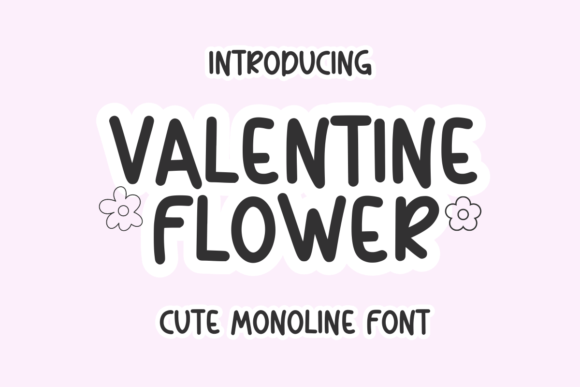
I was halfway through a rebranding project for a small, locally-owned boutique when I realized the existing logo felt too generic. The client wanted something that felt personal, a little whimsical, and unmistakably warm. I opened up my design tool, stared at the blank brand board, and started testing fonts that could bring that soft, human touch. That’s when I landed on Valentine Flower—a cute handwritten font that immediately caught my eye.
At first glance, it looked like the kind of lettering you'd find on a handmade gift tag or a personalized mug. But I wanted to see if it could work beyond casual use—could it carry the visual identity of a small business?
Testing the Font in Logo Design
I dropped Valentine Flower into the logo draft. The boutique specializes in artisanal home goods and curated gifts, so the font’s soft curves and playful baseline felt like a natural fit. I adjusted the letter spacing slightly to improve legibility and paired it with a clean sans serif for the tagline. The result? A logo that felt both personal and professional.
One thing I noticed right away was how approachable the font looked. It gave the brand an immediate sense of warmth and sincerity. That’s not always easy to achieve with typography alone, but Valentine Flower managed to strike that balance.
Bringing the Font into the Full Brand System
From the logo, I expanded the use of Valentine Flower across the brand system. I used it for product labels, packaging accents, and social media headers. It worked especially well on gift tags and custom coffee mugs—items that the boutique sells both in-store and online.
Because it’s a script font, I knew it wouldn’t be ideal for long paragraphs or body text. But as a display font and accent typeface, it performed beautifully. It added a soft, human touch to the brand without sacrificing clarity or professionalism.
Where Valentine Flower Shines
- Logo Design – Perfect for boutique, handmade, and creative brands
- Packaging Design – Ideal for gift labels, stickers, and custom tags
- Social Media Graphics – Adds a personal feel to Instagram posts and stories
- Printed Materials – Works well on flyers, thank-you cards, and posters
Typography That Builds Brand Recognition
Typography plays a subtle but powerful role in brand perception. The right font can make a brand feel trustworthy, modern, or friendly. With Valentine Flower, the boutique’s brand began to feel more personal and expressive. Customers responded well to the packaging and social visuals, often commenting on how “thoughtful” and “handmade” everything looked—even though the designs were digital.
That’s the power of a good handwritten font—it creates a sense of authenticity and care. And since the font is part of the Script Amp category, it brought a level of elegance without being too formal.
Practical Design Considerations
Before locking in the font for the full brand system, I made sure to test it in different contexts. I previewed it on mockups of business cards, packaging boxes, and even a digital storefront. Here’s what I found:
- It reads best in short-form text—perfect for brand names, slogans, and headlines.
- The font’s baseline variation adds character but can be distracting in long blocks of text.
- It pairs beautifully with modern sans serif fonts like Montserrat or Lato.
- Ligatures and alternate characters add flexibility, especially for logos and headlines.
I also checked the font’s licensing terms and file formats. For client work, it’s important that the font supports multilingual characters and comes with a commercial license. Fortunately, Valentine Flower met all those criteria, making it easy to implement across both print and digital assets.
Pairing Valentine Flower with Other Fonts
When working with a handwritten font like this, contrast is key. I paired Valentine Flower with a clean, modern sans serif to balance the organic feel of the script. This helped maintain visual hierarchy—using the handwritten font for headlines and the sans serif for body copy and subheadings.
In editorial design, this combination worked well for product catalogs and digital newsletters. On packaging, the contrast helped the brand name stand out while keeping the rest of the text easy to read.
Real-World Design Observations
One of the most telling moments was seeing how the font looked in physical form. I ordered a sample of the business card print and packaging mockup. The handwritten style translated beautifully to the matte finish of the cardstock. It felt intentional, not just decorative.
On the website mockup, I used Valentine Flower in the hero section for the brand name. It created a strong visual anchor and made the homepage feel more personable. On social media, the font worked well in carousel headers and quote graphics, especially when paired with soft pastel tones.
Final Thoughts for Designers and Brand Creators
If you’re working on a branding project for a small business, boutique, or creative studio, Valentine Flower is worth testing. It brings a sense of warmth and authenticity that’s hard to replicate with standard fonts. Whether you’re designing a logo, packaging, or social media templates, this handwritten font can elevate your visuals while keeping them grounded in a human touch.
As with any font, it’s important to test it in context. Try it in multiple formats—print, web, and product mockups—to see how it performs. And don’t forget to pair it with a strong supporting typeface to maintain balance and readability.
For designers, entrepreneurs, and content creators, Valentine Flower is more than just a cute font—it’s a versatile tool for crafting memorable brand identities.